If you are drawn to neighborhoods with a real sense of place, Druid Hills stands out right away. This is not just a collection of homes near Intown Atlanta. It is a preservation-led community where historic design, mature landscape, and smaller-scale living patterns still shape daily life. If you are considering a move, a renovation, or a boutique residential project here, understanding that bigger picture can help you make smarter decisions. Let’s dive in.
Why Druid Hills Feels Different
Druid Hills was designed as a suburban community by Olmsted and completed in 1905. The National Park Service describes it as Atlanta’s first suburb, and that origin still matters today. Its curving roads, open spaces, and response to natural topography continue to define how the neighborhood looks and functions.
That planning approach was landscape-first, not lot-first. Roads were routed to work with the land, and public green spaces helped balance movement and leisure. For you as a buyer or homeowner, that often translates into a setting that feels more layered, established, and intentional than a typical street grid.
The neighborhood identity also extends beyond private homes. Local civic references highlight places like Olmsted Linear Park, Peavine Creek trails, Callanwolde, and Fernbank as part of the area’s everyday character. In Druid Hills, value is tied to the broader environment as much as any single property.
Historic Character Shapes Daily Living
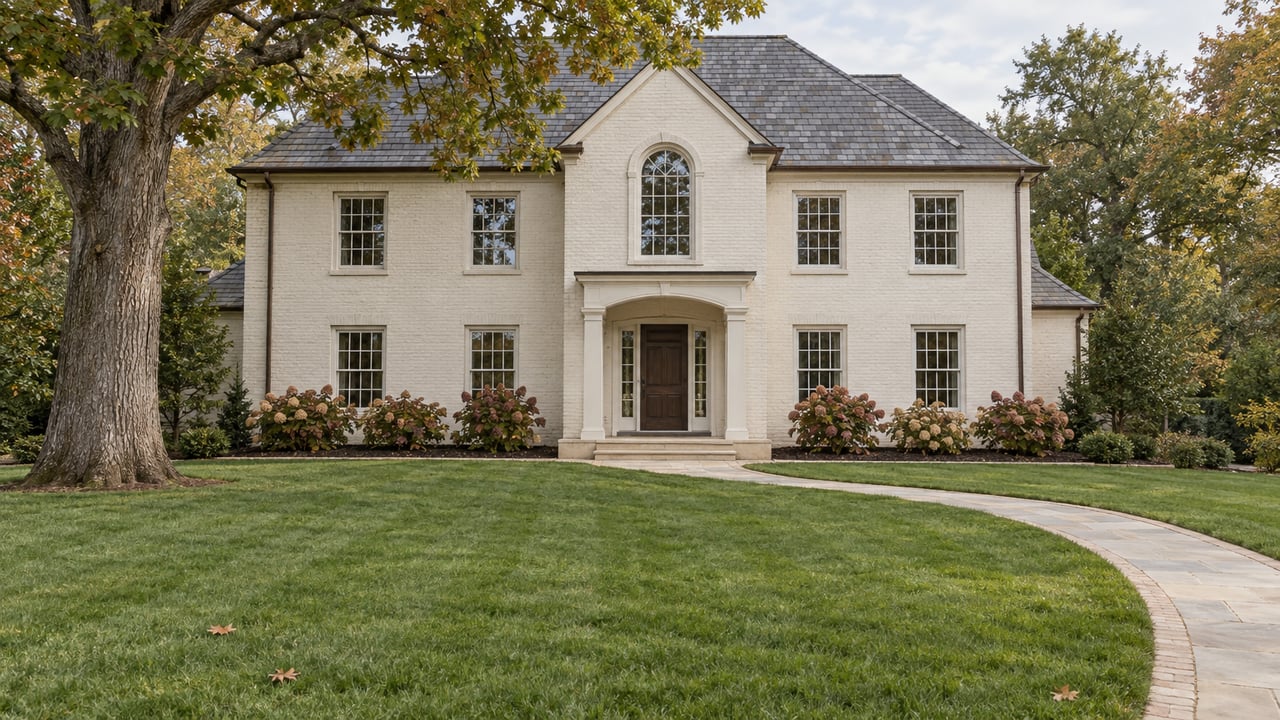
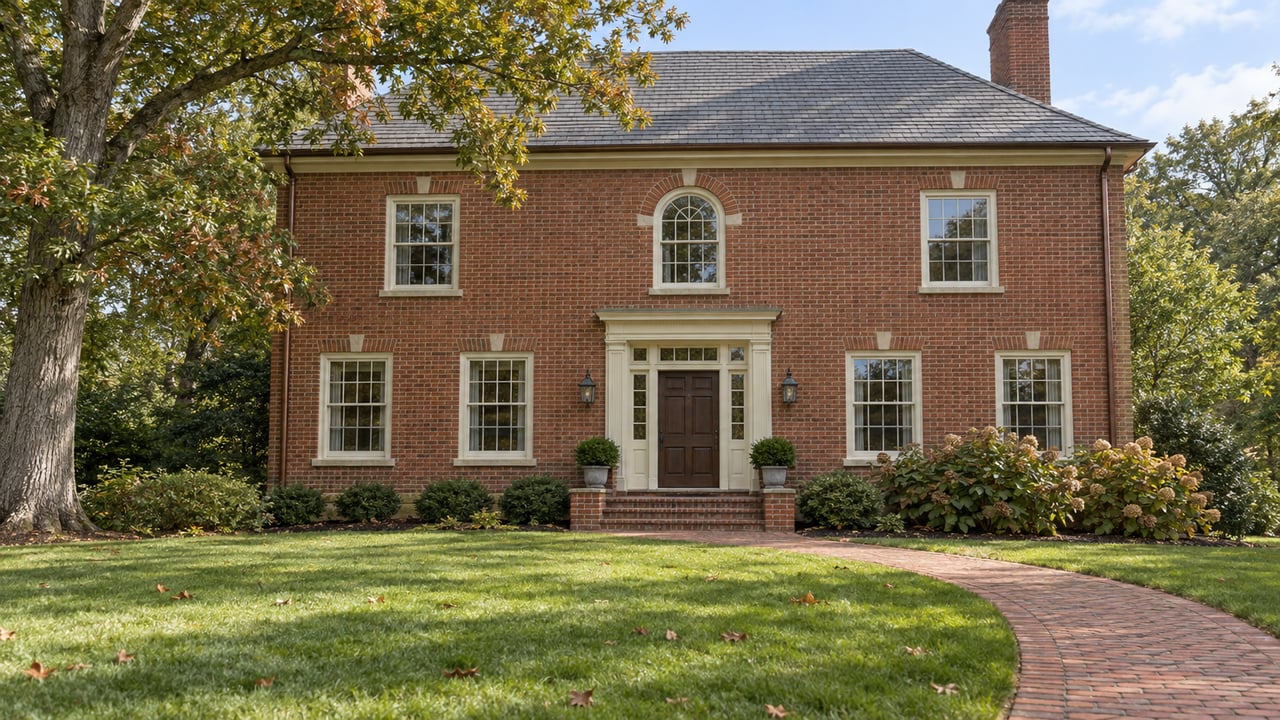
One of the strongest draws in Druid Hills is its architectural mix. The area includes early 20th-century homes with revival-era character, along with smaller historic residences and later infill that responds to the same visual vocabulary. County materials reference styles such as English revival, Dutch Colonial Revival, Tudor, and Spanish Colonial Revival.
For you, that means boutique community living here is rarely about uniformity. Instead, it is about compatibility. Grand homes, smaller houses, and thoughtfully designed additions tend to work best when they reflect the neighborhood’s established scale, materials, and streetscape.
That historic framework can also create a more distinct ownership experience. You are not simply buying square footage. You are buying into a community where architecture, canopy, and public realm all play a meaningful role in how the neighborhood is preserved over time.
Preservation Rules Matter in Druid Hills
Druid Hills spans two jurisdictions: the City of Atlanta and unincorporated DeKalb County. According to the Druid Hills Civic Association, the neighborhood is divided into nine districts, with districts 1 and 4 in the City of Atlanta and the others largely in DeKalb. In many cases, exterior changes require a certificate of appropriateness through the relevant jurisdiction.
That detail matters more than many buyers expect. If you are planning an addition, exterior renovation, or new construction, the review process is not a side note. It is a core part of how projects move forward in this neighborhood.
DeKalb states that its standards address scale, massing, architectural details, materials, roof forms, and streetscape. Review can cover additions, rehabilitation, demolition, new construction, and design or material changes. In practical terms, design quality in Druid Hills is regulated, not optional.
Tree canopy is also part of the conversation. The Druid Hills Civic Association notes that tree rules differ between the Atlanta and DeKalb sides of the neighborhood, and county materials treat the canopy as a character-defining feature. If you are evaluating a property, site conditions and visible landscape changes deserve just as much attention as the structure itself.
What Successful Updates Tend to Have in Common
In a preservation-led market, the most successful projects usually work with the original structure rather than against it. County guidance and staff-review language support an approach that preserves key forms, retains significant site elements, and keeps additions secondary to the historic home.
For homeowners, this often means a careful design process pays off. The goal is not to make an older home look brand new. The goal is to improve livability while respecting the features that help the property belong in Druid Hills.
For buyers considering homes that may need work, this is an important lens. A renovation opportunity can be compelling here, but it should be evaluated with local standards, site context, and long-term compatibility in mind.
Boutique Living Near Emory Village
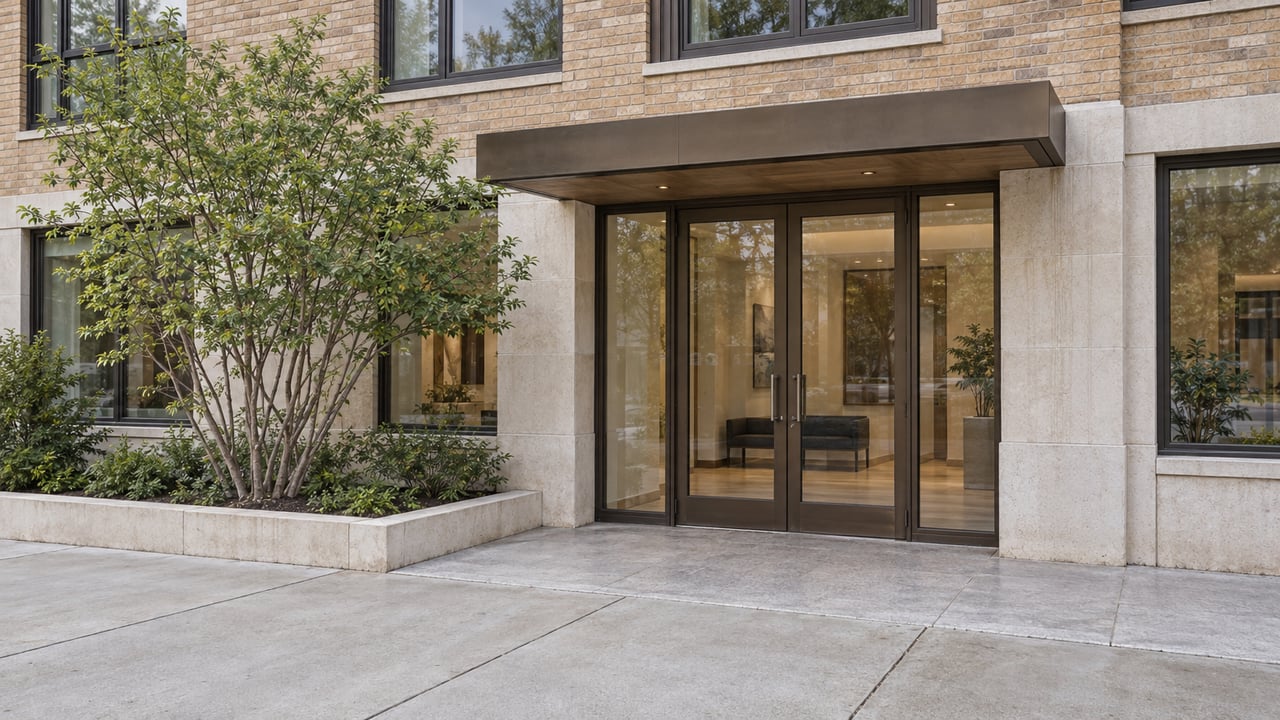
Emory Village offers one of the clearest examples of boutique, design-controlled community living in the broader Druid Hills area. Its design standards call for new construction that preserves the village’s historic urban pattern and remains compatible with the existing context. The standards also emphasize building rhythm, pedestrian orientation, and durable materials like brick, stucco, stone, terra cotta, and glass.
That creates a useful model for smaller-scale living. If you are looking for a more compact, lower-maintenance lifestyle without giving up neighborhood character, this type of environment can be especially appealing. It supports walkable, mixed-use living while still respecting the area’s historic framework.
Public improvements also strengthen that experience. Emory Village streetscape work has widened and tree-lined sidewalks, improved pedestrian access, and added benches, bike racks, and better ADA movement. In Druid Hills, boutique living is shaped by the public realm as much as by private design.
Real-World Examples of Community Living
Several public case studies show how Druid Hills continues to evolve without losing its identity. Each one points to a different way the market supports smaller-scale or adaptive residential living.
Emory Point and Live-Near-Work Demand
Emory describes Emory Point as mixed-use urban infill with retail and residential options serving employees and graduate students working along Clifton Road, including those connected to Emory University, Emory Healthcare, and the CDC. It reflects the area’s ability to support live-near-work demand in a setting that still feels connected to the neighborhood fabric.
For you, this reinforces a practical point. Druid Hills is not only valued for its architecture and landscape. It also benefits from proximity to major institutional employment and daily-use destinations.
Towns at Druid Hills and Private Townhome Living
Towns at Druid Hills is a gated community of 65 luxury townhomes in a wooded setting with in-town access. As a market example, it shows buyer demand for townhome living when a project pairs privacy, landscape, and convenience.
This matters if you are not looking for a large historic house but still want a Druid Hills address or nearby lifestyle. Boutique community living here can take the form of well-positioned townhomes that balance lower maintenance with access to major corridors and neighborhood amenities.
Callanwolde and Adaptive Reuse
Callanwolde offers one of the area’s best-known examples of adaptive reuse. Once home to the Candler family, it has operated as a fine arts center since 1972. Its continued use shows how a landmark property can remain relevant through thoughtful repurposing rather than demolition.
That idea runs through much of Druid Hills. Historic structures are often treated as assets that can anchor future use, not obstacles to it. If you value long-term neighborhood stewardship, that pattern is part of what makes the area distinctive.
Corso Druid Hills and Reuse at Scale
The Corso Druid Hills project on the historic Briarcliff estate adds another example. Project materials describe a senior living community with renovated mansion space, city homes, independent living, assisted living, memory care, retail, and dining. DeKalb’s certificate of appropriateness narrative says the project is intended to integrate respectfully into the existing Druid Hills fabric and use the mansion as a focal point.
For buyers, sellers, and developers, the takeaway is clear. In this market, adaptive reuse can support new demand while keeping a historic centerpiece intact. That approach aligns with the area’s preservation logic and broader sense of place.
What Market Data Suggests Today
Druid Hills remains a high-value market by public measures. Zillow’s Home Value Index places the average home value at $888,141, up 7.5% year over year as of April 30, 2026. Redfin reported a median sale price of $849,561 in April 2026, with a median of 18 days on market and the area described as very competitive.
Because those sources use different methodologies, the numbers should be read directionally rather than as exact equivalents. Even so, they point to the same general conclusion. Druid Hills continues to command strong pricing and brisk buyer interest.
For you, that can mean two things at once. Inventory with meaningful character may stay in demand, and homes with thoughtful design or well-executed updates can stand out quickly. In a neighborhood shaped by scarcity, preservation, and public identity, quality tends to matter.
What Buyers and Sellers Should Keep in Mind
If you are buying in Druid Hills, look beyond the house itself. Pay attention to streetscape, lot conditions, tree canopy, jurisdiction, and the likely path for any future exterior work. In this neighborhood, the setting is part of the investment.
If you are selling, presentation and positioning matter just as much. Buyers are often choosing an environment, not just a floor plan. A strong property story should connect the home to the features that make Druid Hills recognizable, from architecture and landscape to proximity and daily lifestyle patterns.
If you are evaluating boutique residential or infill opportunities, the lesson is similar. The projects that tend to make sense here are the ones that treat historic character as a framework for value, not as a hurdle to overcome.
Druid Hills remains one of Intown Atlanta’s most distinctive places to live because it has kept that balance. It continues to evolve, but it does so through preservation, design discipline, and a strong sense of context. If you want expert guidance on buying, selling, or understanding how a property fits into this unique market, connect with Engel & Völkers Atlanta.
FAQs
What makes Druid Hills different from other Intown Atlanta neighborhoods?
- Druid Hills stands out for its Olmsted-designed layout, historic architecture, mature landscape, and preservation-led approach to change.
What should buyers know about renovating a home in Druid Hills?
- Buyers should know that exterior changes may require a certificate of appropriateness through either the City of Atlanta or DeKalb County, depending on the property location.
What does boutique community living mean in Druid Hills?
- In Druid Hills, boutique community living usually refers to smaller-scale, design-conscious residential options that respect the area’s historic setting, landscape, and walkable nodes such as Emory Village.
What types of homes are common in Druid Hills?
- The area includes grand historic homes, smaller revival-era residences, and later infill designed to fit the neighborhood’s established character.
What do current market trends show for Druid Hills real estate?
- Public data show strong home values, competitive buyer demand, and relatively fast market times, which suggests continued interest in well-located and thoughtfully presented properties.