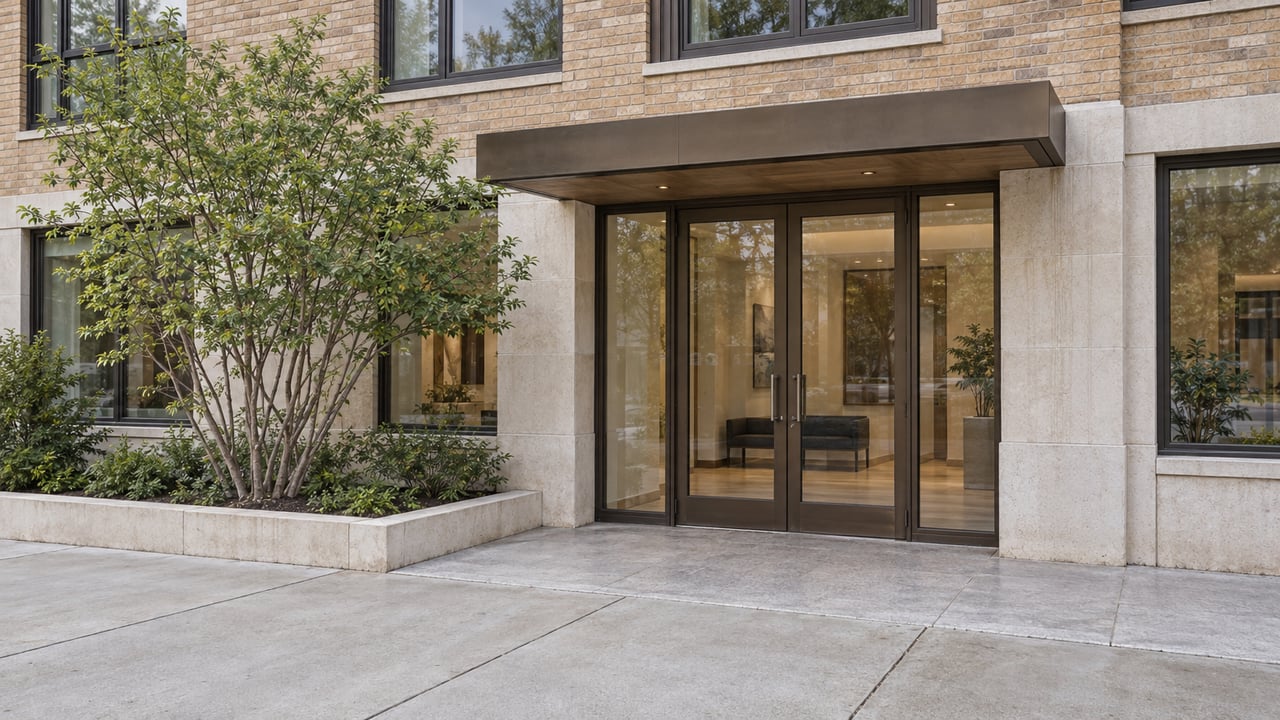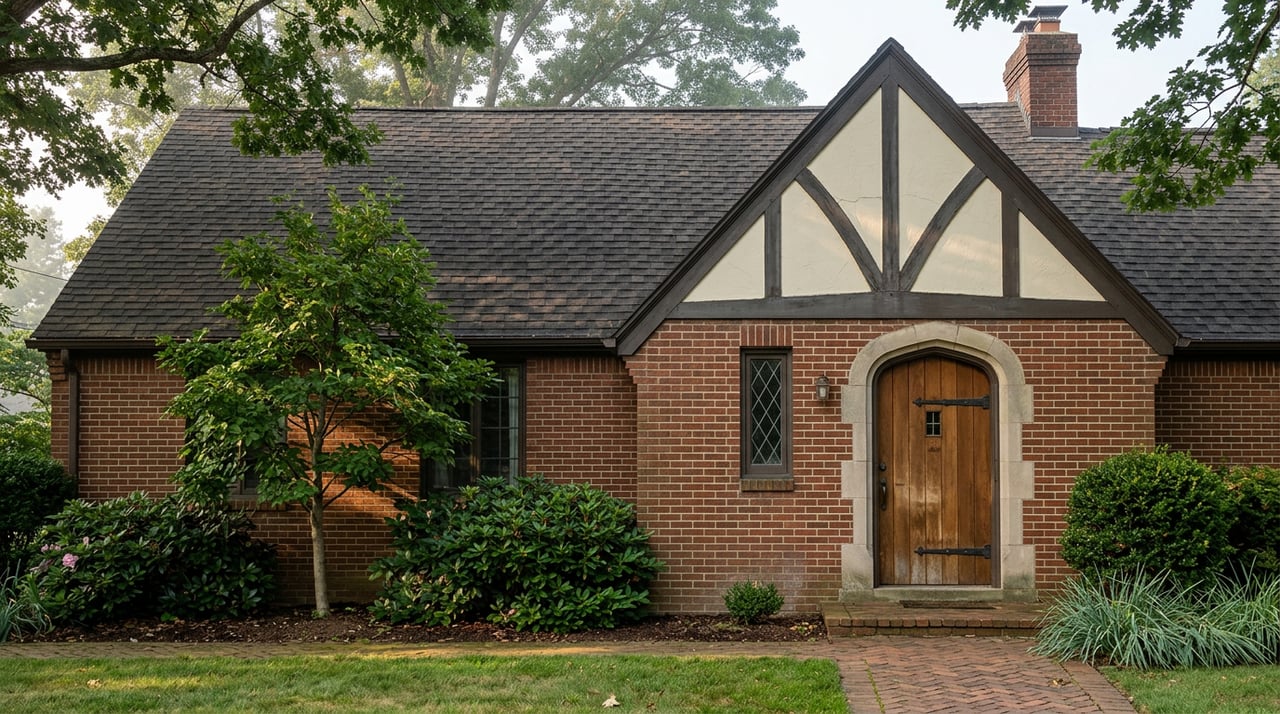
Say the name out loud: Morningside Village. The name evokes a coordinated place, but the businesses and storefronts along North Highland Avenue have taken shape over time, each with its own look. Alon's doesn't match Doc Chey's. Highland Fine Wine doesn't match Whiskey Bird. The name has long described a neighborhood identity more than a coordinated design.
That's about to change, and the reason it's changing tells you more about how this stretch of North Highland Avenue actually works than any list of restaurants ever could.
What's Actually Going In
In July, the Atlanta Journal-Constitution reported that 26th Street Partners, the property's owner, is putting real money into making the 50,000 square feet that straddle North Highland Avenue look and function like one coordinated place for the first time. The plan includes new lighting, landscaping, paint, awnings and artist murals, with renderings prepared by the design firm Gentle Works. It also includes something more telling than any coat of paint: a wayfinding overhaul and, in the property owner's own words, "distinct crosswalks to clearly define the village as a cohesive district."
The planned crosswalks are one part of the owner's effort to define the district and make it more cohesive.
Here's the current cast of tenants named in that same report: Whiskey Bird, the Family Dog and Doc Chey's Noodle House on the restaurant side, plus Highland Fine Wine, Highland Runners and Intown Animal Hospital rounding out the retail mix. Add Alon's Bakery & Market, the property's longtime anchor, and Nowak's, which opened here in 2018, and you've got the rough shape of the place as it exists today.
The Ownership History Behind the Plans
The ownership history provides context for the current plans.
Before 26th Street Partners, the property belonged to Asana Partners, a North Carolina investment firm that picked up Plaza on Ponce in 2017 for $18.1 million and then, a full year later, in 2018, bought Morningside Village separately for $21 million. Two different deals, two different years.
Then in January 2025, 26th Street Partners bought both properties from Asana in a single combined transaction worth $67.5 million: $36.1 million for Plaza on Ponce, which includes the Majestic Diner and Plaza Theatre, and $31.4 million for Morningside Village.
26th Street Partners itself is a young firm, founded in 2023 by three former Jamestown executives, including CEO Shak Presswala. Jamestown is the company behind Ponce City Market, which means the team now steering Morningside Village has experience with a destination property. The crosswalks and murals are part of the planned improvements.
The Businesses That Shaped the Village
The businesses that make this place feel like a neighborhood hub arrived one at a time, over almost thirty years.
Doc Chey's opened in 1997, back when this stretch of North Highland looked nothing like it does now. By the time the AJC covered the renovation plans in July, the restaurant had been a tenant here for close to three decades, longer than most of the neighborhood's current homeowners have lived on their streets. Nowak's, by comparison, is a relative newcomer, arriving in 2018. Alon's has been the anchor tenant that most residents associate with the property's identity, the place you picture when someone says "meet me at the village."
Each of these businesses negotiated its own lease, built its own following, and shaped its own little piece of what "Morningside Village" means to the people who actually eat there. Their different histories are visible in the mix of restaurants, retail shops and services on the block.
The Market Got There First
If you're looking for the one thing that actually unified this property before any developer tried to, it's not a building. It's the Saturday farmers market.
The Morningside Farmers Market started in 1995, two years before Doc Chey's even opened, making it older than almost every current lease on the property. It's run continuously since then as one of the city's original all-organic markets, held right in the Village's own parking lot on Saturday mornings, across from Alon's. For thirty-one years, that weekly gathering has been the thing that made this scattered collection of storefronts feel like a single place with a single rhythm, long before any owner tried to make the sidewalks agree.
That's worth sitting with. The market didn't wait for coordinated ownership, matching awnings or defined crosswalks. It just showed up every Saturday and did the work that the physical property is only now catching up to.
What Changes for You, and What Doesn't
If you live in Morningside or Lenox Park, here's what this actually means for your week rather than for a spreadsheet somewhere.
The businesses aren't going anywhere. This is a facelift, not a redevelopment. Doc Chey's isn't closing to make way for something else. The renovation plans described in the AJC piece are about paint, lighting, landscaping, awnings and murals, plus better wayfinding and crosswalks, not about tearing out tenants or restructuring what the property is used for.
Your Saturday market routine holds. Nothing in the announced plans touches the market's decades-long run in the Village's lot.
Expect some construction friction along the way. Any project involving new crosswalks, lighting and landscaping across 50,000 square feet of active retail means sidewalk work, temporary signage changes and probably a few weeks where parking near your favorite noodle bowl is a little more annoying than usual.
The bigger shift is what happens after the work wraps: a property with coordinated lighting, landscaping, awnings, wayfinding and murals. For residents, that mostly means clearer crosswalks and a more cohesive district appearance. The announced updates come from 26th Street Partners.
Morningside Village earned its name from the businesses and the market that filled it in, one lease and one Saturday at a time. The planned physical updates add another layer to a place residents already know. That's something worth remembering the next time you walk past a construction fence on North Highland: the neighborhood was already there. The paint is just arriving late.
If you're weighing what any of this means for property values, timing a sale, or simply want a neighbor's read on how Morningside is changing block by block, the advisors at Engel & Völkers Atlanta live and work in these neighborhoods every day. Connect with an EV Advisor when you're ready to talk specifics.