Wondering whether Virginia Highland gives you the right mix of charm, convenience, and intown energy? If you are trying to narrow your Atlanta home search, this neighborhood often stands out for its historic homes, walkable commercial pockets, and easy access to parks and trails. The key is knowing how it actually lives day to day, and how it compares with nearby options. Let’s dive in.
What Virginia Highland feels like
Virginia Highland is an official Atlanta historic district in Fulton County, with roots in early 20th-century streetcar development that continued into the automobile era. That history still shapes the neighborhood today, from the street layout to the housing style and low-rise scale.
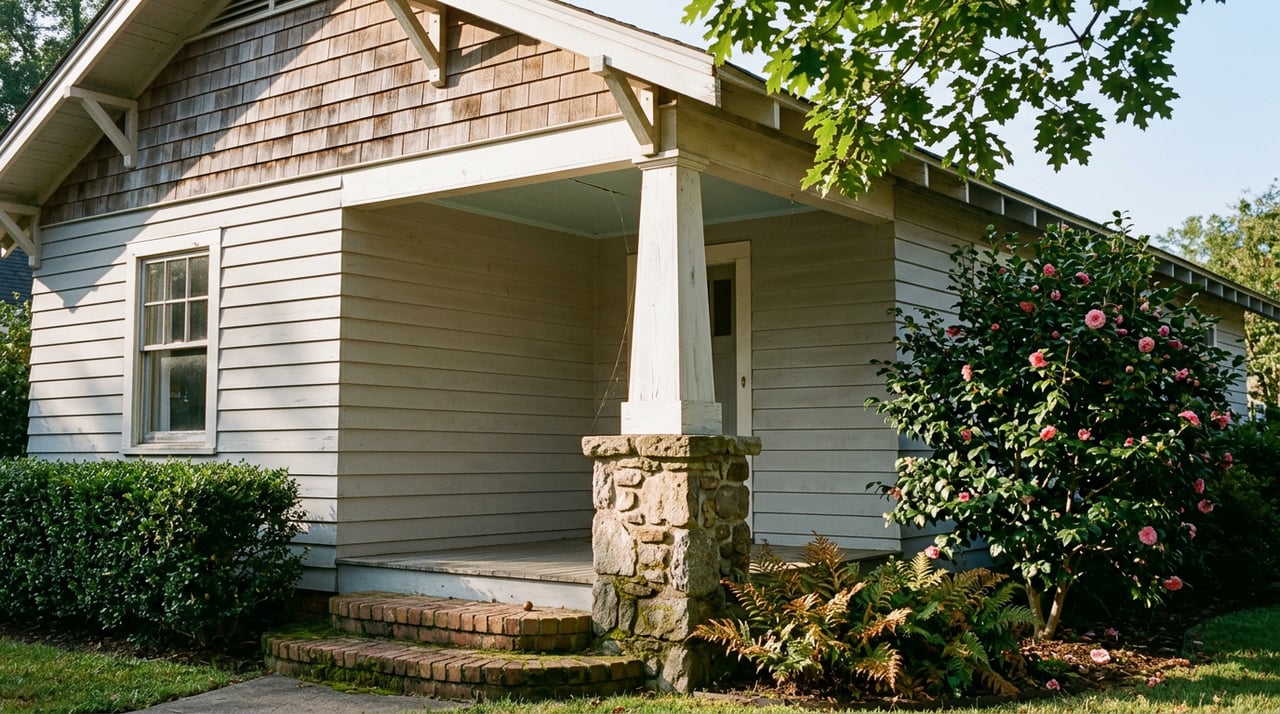
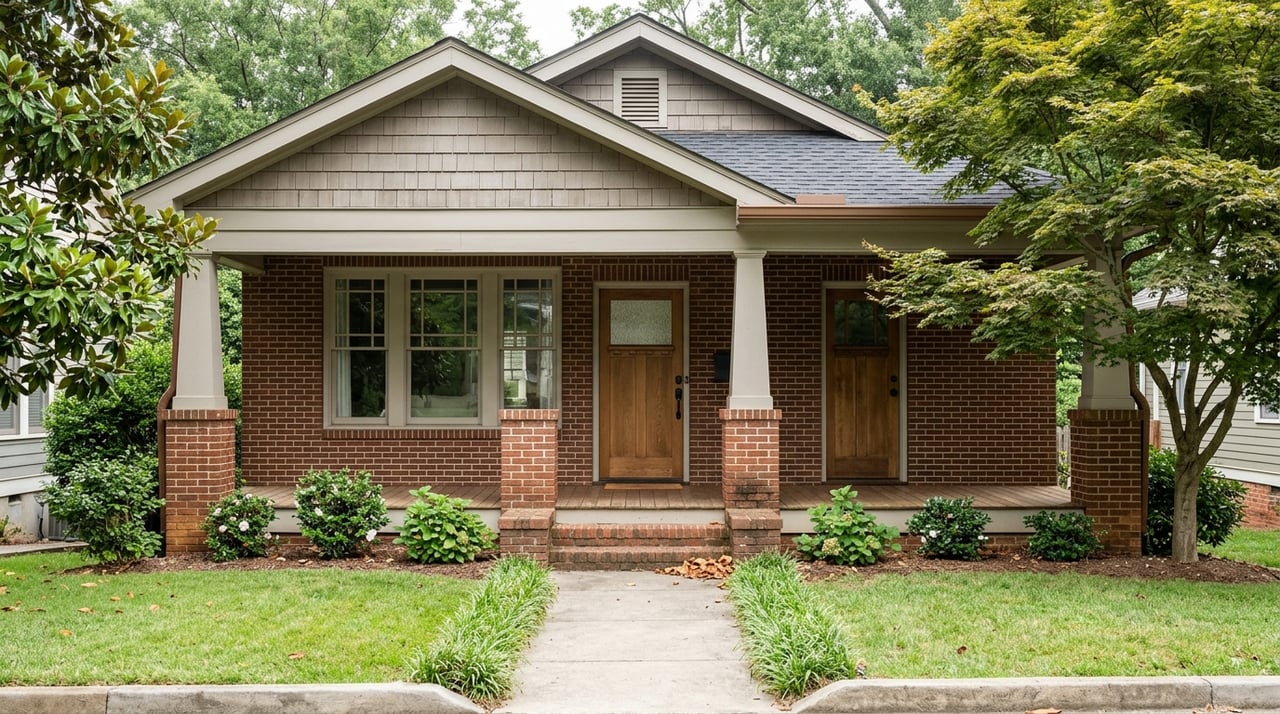
You will mainly find bungalows, cottages, and Foursquare houses built between 1905 and 1936. The overall feel is established and residential, but not isolated from daily conveniences. It is a neighborhood where historic character and intown access sit side by side.
Its formal edges are generally Ponce de Leon Avenue to the south, Amsterdam Avenue to the north, Druid Hills and Atkins Park to the east, and the BeltLine and Piedmont Park side to the west. The neighborhood name comes from Virginia and Highland avenues, which also help define its identity.
Why buyers look at Virginia Highland
For many buyers, Virginia Highland offers a specific kind of intown lifestyle. You get historic low-rise housing, a recognizable commercial spine, and access to neighborhood institutions that give the area a strong local identity.
Residents are within walking distance of shopping, dining, nightlife, neighborhood parks, Piedmont Park, and the BeltLine, according to neighborhood sources. That makes the area appealing if you want to spend less time driving for everyday plans and more time enjoying what is close to home.
There is also a clear civic backbone here. The neighborhood association highlights work tied to public safety, sustainable planning, parks, preservation, education, and civic engagement, which helps explain why Virginia Highland tends to feel well-defined rather than loosely assembled.
The commercial layout is village-style
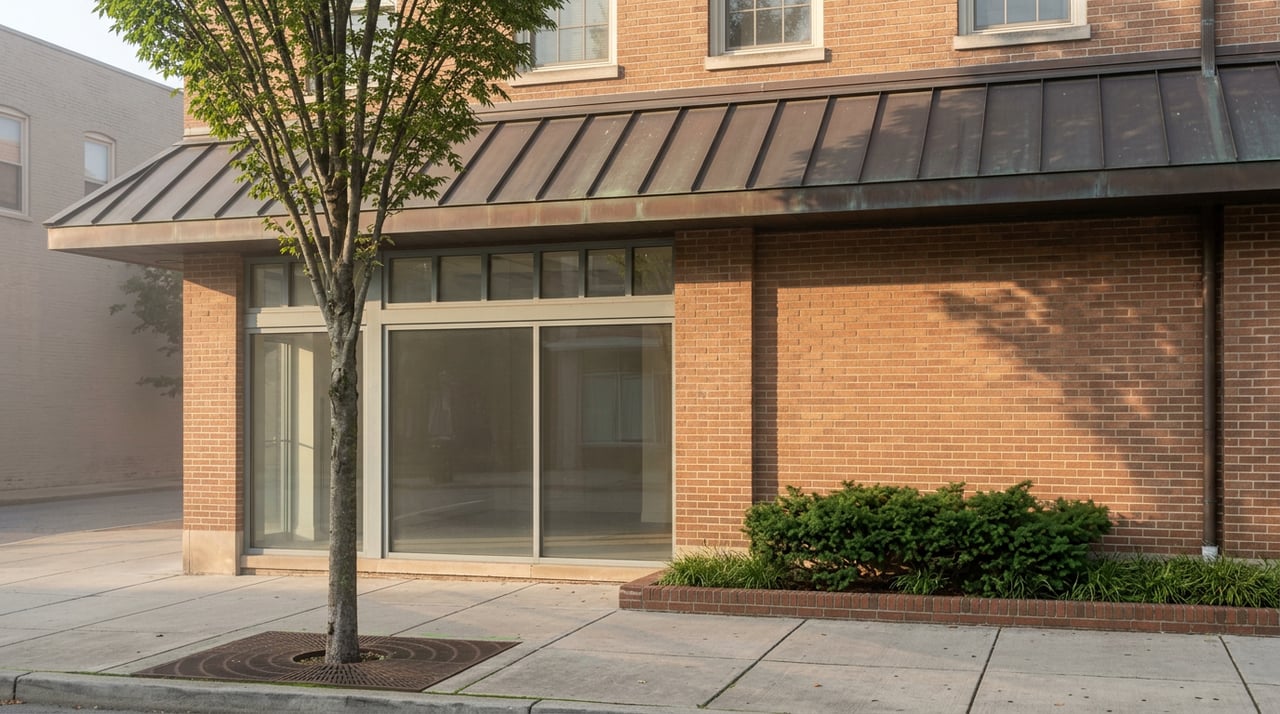
One of the biggest things to understand is that Virginia Highland does not operate like a single downtown district. Instead, its business activity runs along the North Highland corridor, with smaller commercial nodes rather than one large retail center.
That matters because your experience here is less about one giant destination and more about several walkable pockets. In practical terms, that can create a more neighborhood-scaled rhythm, with restaurants, shops, and services spread along a familiar spine.
The district highlights a business mix that includes legacy bars, trendy shops, and fitness and wellness businesses. Current programming also includes Porchfest, Winterfest, Candy Crawl, Restaurant Week, and a farmers market, which adds to the area’s active community feel.
What that means for daily life
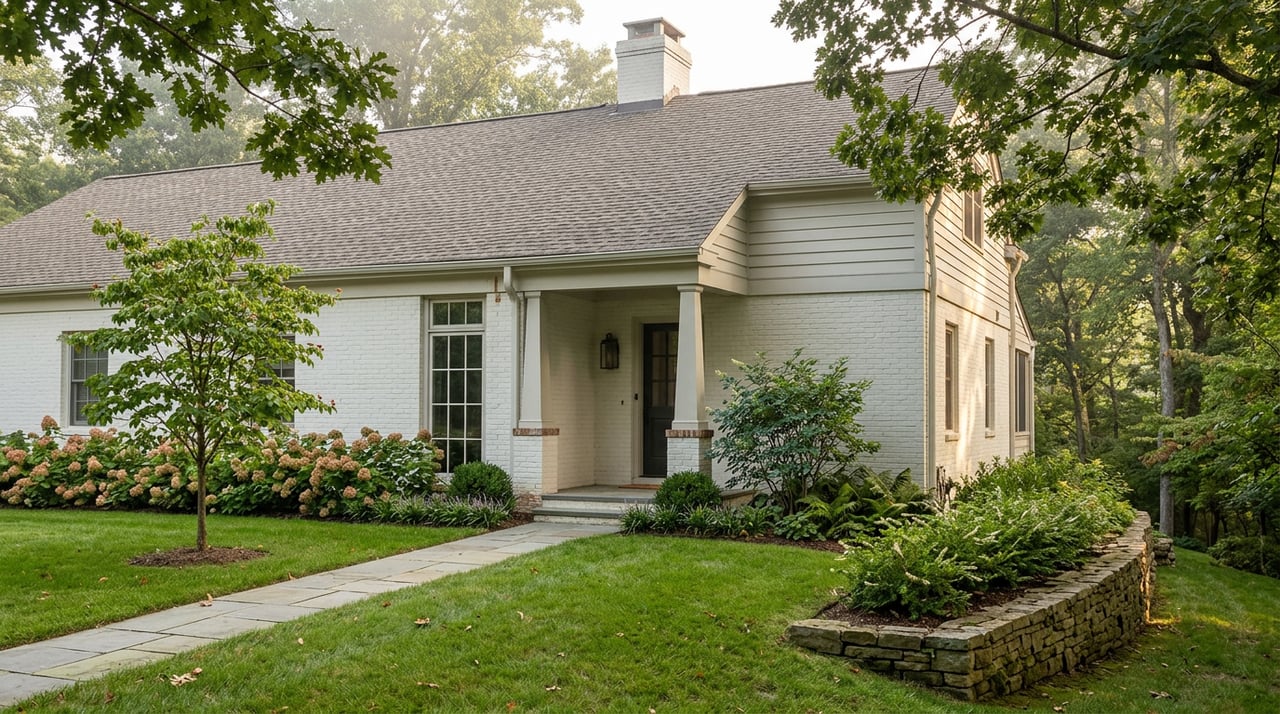
If you like the idea of stepping into a neighborhood that feels lived-in rather than master-planned, Virginia Highland may appeal to you. The commercial areas support daily routines and social plans without making the neighborhood feel overly dense or dominated by large-scale retail.
This setup can be a strong fit if you want local activity close by but still prefer a low-rise residential setting. It is less about a skyline experience and more about a walkable, village-style intown pattern.
Parks and trails are a major plus
Virginia Highland has a compact but meaningful park network. Neighborhood sources list John Howell Park, Orme Park, the Triangle at Virginia and North Highland, and North Highland Park as neighborhood parks, with John Howell Park described as the signature park.
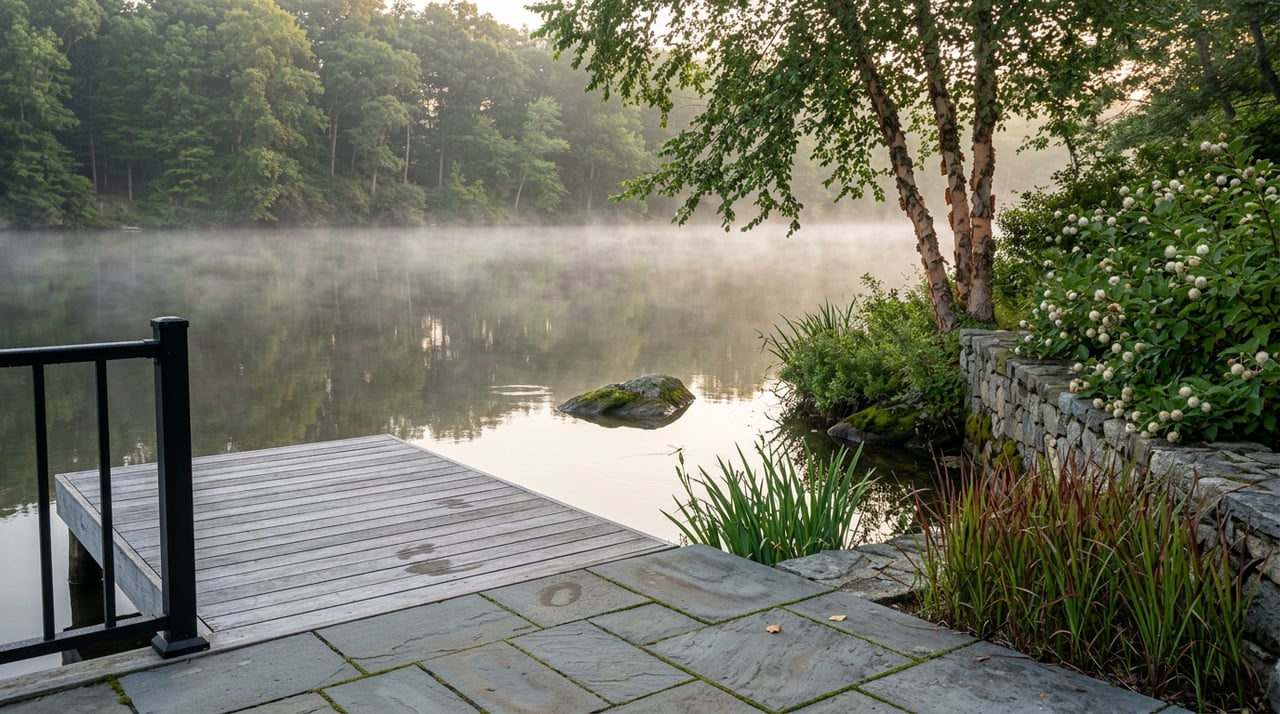
The neighborhood also borders Piedmont Park and the BeltLine, which expands your recreation options well beyond the internal park system. If outdoor access matters to you, this is one of the strongest parts of the Virginia Highland lifestyle.
The Eastside Trail runs from the tip of Piedmont Park to Reynoldstown, and the Freedom Park Trail connects Virginia Highland to Inman Park by way of The Carter Center. Taken together, these trail links support walking, cycling, and short cross-town trips.
Getting around without relying only on a car
MARTA currently lists bus route 11, Defoor Avenue / Virginia Highland. While Virginia Highland is not presented as a rail-centered neighborhood in the available sources, the mobility picture does support a mix of walking, biking, and bus use.
If you value trail access and neighborhood connectivity, that can be a real advantage. If your top priority is direct rail access, you may want to compare it closely with other intown options.
Who Virginia Highland fits best
Virginia Highland tends to align best with buyers who want four things working together:
- Historic low-rise housing
- A recognizable neighborhood commercial spine
- Park and trail access
- Active neighborhood institutions
If that combination sounds like your ideal version of intown Atlanta, Virginia Highland deserves a serious look. It offers a distinct balance of character, convenience, and community structure that is not identical to nearby neighborhoods.
How it compares with nearby intown options
When you are choosing an intown neighborhood, the real question is rarely whether one area is better than another. It is whether a neighborhood matches the way you want to live.
Here is how Virginia Highland differs from a few nearby alternatives based on official neighborhood and district sources.
Virginia Highland vs. Morningside
Morningside-Lenox Park reads as more park-heavy and more purely residential in tone. Its neighborhood association notes more than 20 parks, preserves, landscaped traffic islands, and greenspaces, and says zoning is mostly residential except in select areas.
Compared with Virginia Highland, Morningside may feel quieter, greener, and more residential, with fewer and more defined commercial nodes. If you want more neighborhood calm and a stronger park-forward identity, Morningside may be worth comparing.
Virginia Highland vs. Poncey-Highland
Poncey-Highland, just south of Virginia Highland, includes a mix of residential and commercial areas plus an industrial corridor developed from the early 1900s through the 1950s. It also sits close to the BeltLine and the edge of other active districts.
Compared with Virginia Highland, Poncey-Highland may feel more mixed-use and more transitional. If you want closer adjacency to Eastside activity and a more blended urban fabric, that contrast may matter in your search.
Virginia Highland vs. Midtown
Midtown offers a larger urban-core environment and more direct transit infrastructure. Midtown Alliance defines it as a broad mixed-use district, and its rail directory includes Arts Center, Civic Center, Midtown, and North Avenue stations.
Compared with Virginia Highland, Midtown is the more transit-forward and urban option. If your priorities lean toward rail access, a larger mixed-use footprint, and a more cosmopolitan setting, Midtown is the clearest contrast.
Questions to ask before you buy here
A neighborhood can look perfect on paper and still miss your day-to-day priorities. Before you focus your search on Virginia Highland, ask yourself a few practical questions.
- Do you want a historic home style rather than a newer urban-core product?
- Do you prefer low-rise neighborhood character over a denser skyline setting?
- Would you use parks, trails, and walkable commercial pockets regularly?
- Are you looking for a neighborhood with an active local identity and established institutions?
- Is bus and trail connectivity enough for your routine, or do you want direct rail access nearby?
Your answers can quickly tell you whether Virginia Highland is a strong fit or whether another intown area may better match your lifestyle.
The bottom line on Virginia Highland
Virginia Highland stands out because it blends historic housing, walkable neighborhood commerce, meaningful park access, and a strong local identity in one of Atlanta’s most recognizable intown settings. It is not the most urban option, the quietest option, or the most mixed-use option. Its appeal is the balance.
If you want an intown neighborhood that feels established, active, and connected without losing its residential scale, Virginia Highland may be exactly the right fit. And if you are comparing it with Morningside, Poncey-Highland, or Midtown, the best choice usually comes down to which daily lifestyle pattern feels most natural for you.
If you want help comparing Virginia Highland with other intown neighborhoods, or identifying the right home type for your goals, connect with Engel & Völkers Atlanta.
FAQs
Is Virginia Highland a historic neighborhood in Atlanta?
- Yes. Virginia Highland is an official Atlanta historic district, and its built character is shaped by early 20th-century development.
What types of homes are common in Virginia Highland?
- The neighborhood is known for bungalows, cottages, and Foursquare houses, with many homes built from 1905 through 1936.
Does Virginia Highland have walkable shops and restaurants?
- Yes. Official neighborhood sources say residents are within walking distance of shopping, dining, nightlife, parks, Piedmont Park, and the BeltLine.
What parks and trails are near Virginia Highland?
- Neighborhood parks include John Howell Park, Orme Park, North Highland Park, and the Triangle at Virginia and North Highland. The neighborhood also borders Piedmont Park and connects to the BeltLine and Freedom Park Trail.
Is Virginia Highland better than Midtown for transit?
- Midtown is the more transit-forward option based on official sources, with direct rail stations. Virginia Highland’s mobility picture is more centered on bus service, walking, biking, and trail access.
How is Virginia Highland different from Morningside?
- Virginia Highland offers a stronger neighborhood commercial spine, while Morningside appears more park-heavy and more purely residential in tone.
How is Virginia Highland different from Poncey-Highland?
- Virginia Highland generally reads as more village-like and residential in pattern, while Poncey-Highland feels more mixed-use and more transitional near the BeltLine and adjacent commercial districts.