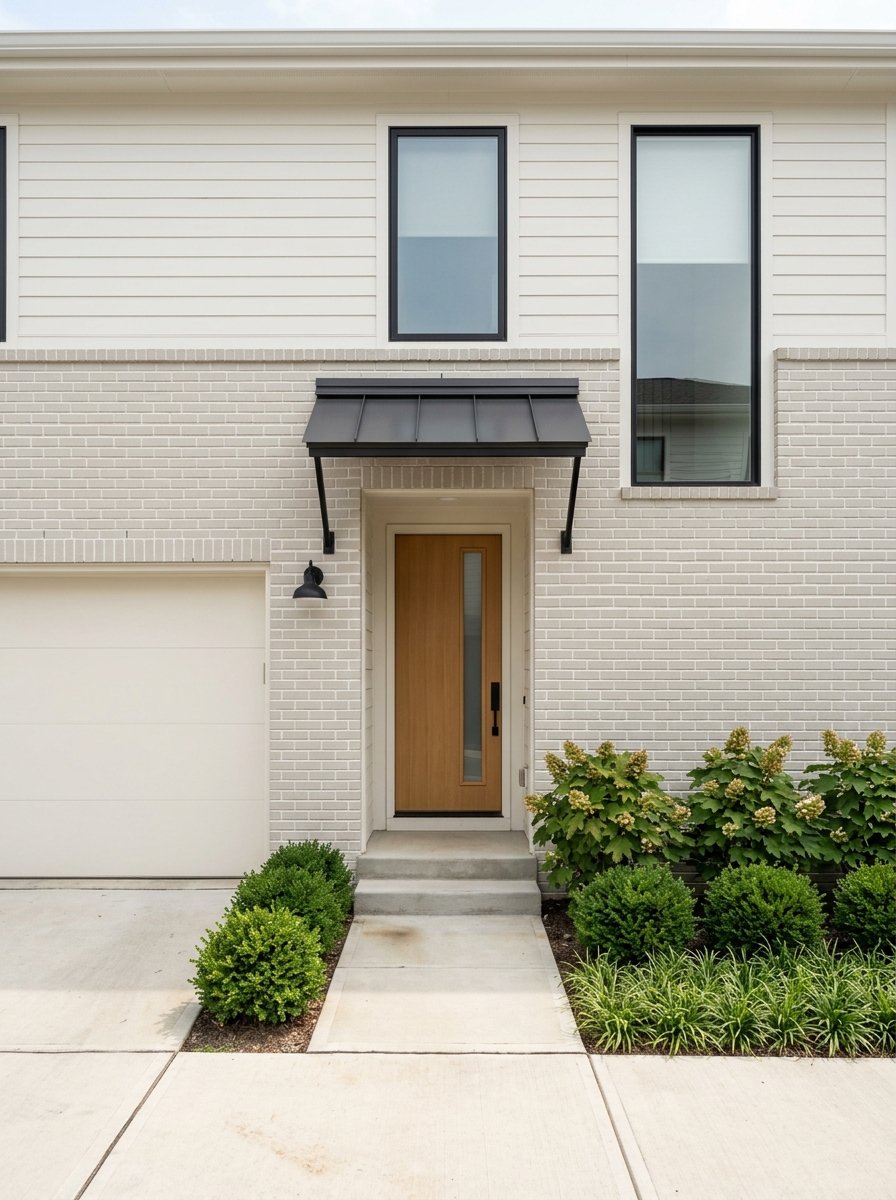
Thinking about a move to Sandy Springs? The city can feel straightforward at first glance, but your housing choices can look very different depending on whether you want a detached home, a townhome, or a more connected mixed-use setting near major commute routes. If you are relocating and want a practical way to narrow your search, this guide will help you understand how Sandy Springs is laid out, what the local housing stock looks like, and what to verify before you commit. Let’s dive in.
Why Sandy Springs draws relocators
Sandy Springs is a city of about 105,000 residents in north Fulton County, and it offers a mix of established neighborhoods, major transportation access, and growing mixed-use areas. Census QuickFacts reports an owner-occupied housing rate of 50.2%, a median owner-occupied home value of $619,800, a median gross rent of $1,870, and a median household income of $104,340.
The city also sits in a strong regional position for people who need access to Atlanta’s business centers and major roads. Census data shows a mean travel time to work of 25.8 minutes, and the local transportation network is anchored by Georgia 400, I-285, and Roswell Road. For many buyers and renters, that combination makes Sandy Springs worth a serious look.
Start with Sandy Springs housing patterns
One of the most useful ways to understand Sandy Springs is to think about it as three overlapping housing patterns. Those patterns are protected detached neighborhoods, attached or townhome districts, and denser mixed-use corridors. If you begin your search with those categories, you can often save time and avoid looking at areas that do not fit your goals.
The city’s development code supports these distinctions clearly. Protected Neighborhoods are intended to maintain existing single-family detached character, while Residential Estate and Residential Detached districts focus on detached homes on large lots or more typical suburban lots. Urban Neighborhoods allow attached units, small-lot detached homes, townhouses, and multi-unit residences, and Perimeter Center districts support attached and multi-unit residences alongside commercial uses.
Detached-home search areas
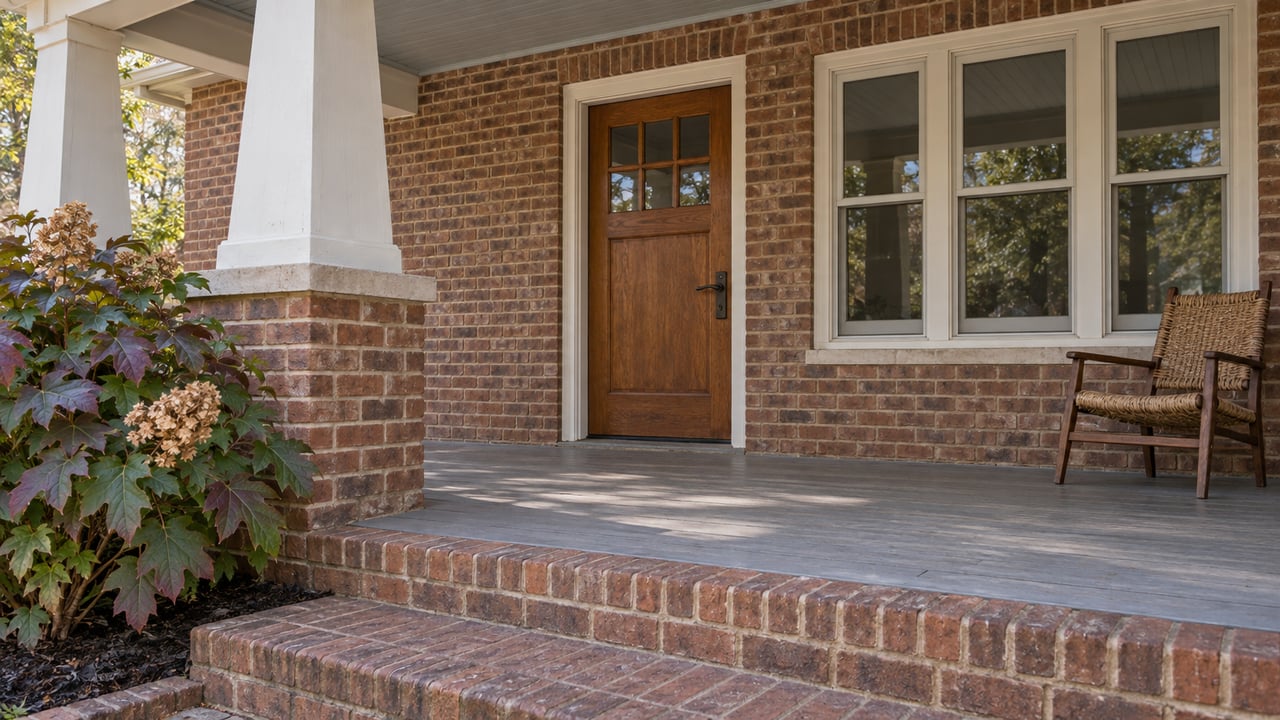
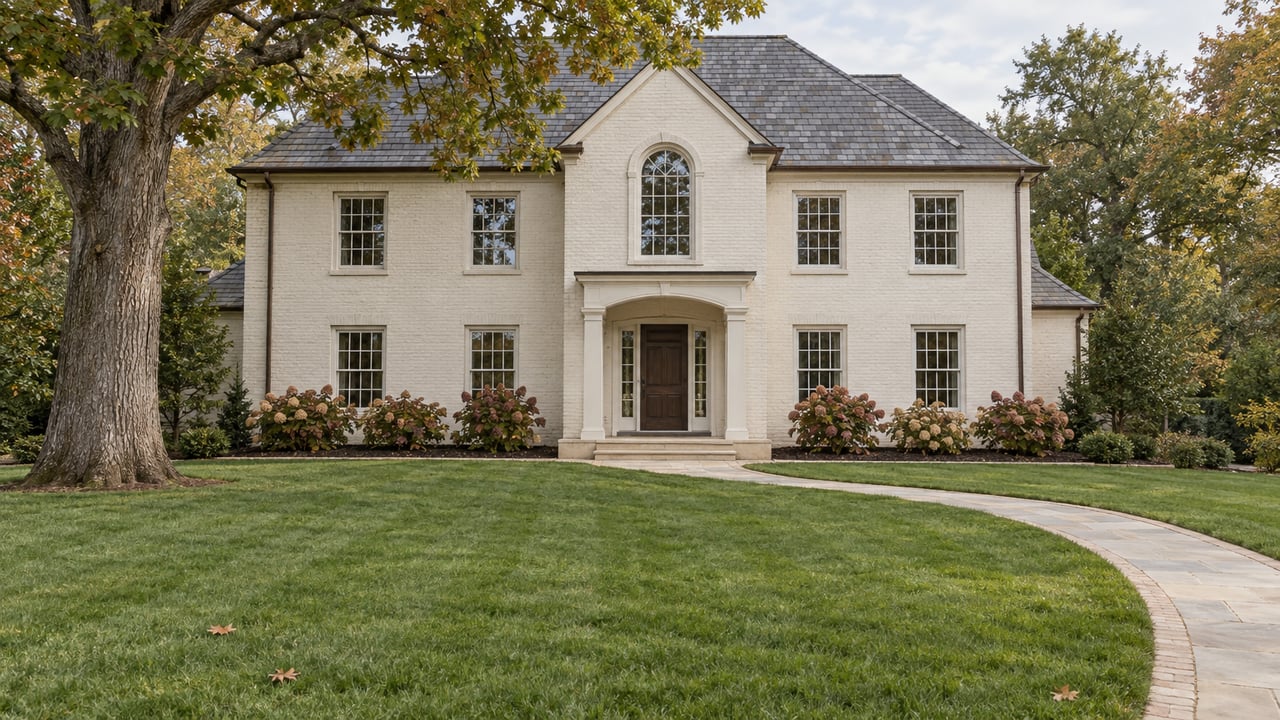
If your priority is a more traditional single-family setting, focus on areas shaped by Protected Neighborhoods, Residential Estate, and Residential Detached zoning patterns. These parts of Sandy Springs are generally the best fit for buyers who want detached housing rather than attached product. They can offer a more established feel, especially since much of the city’s housing stock predates the latest wave of multifamily growth.
A city housing needs assessment found that 71% of Sandy Springs housing stock was built between 1960 and 1999. That means many detached homes are part of mature residential areas rather than brand-new subdivisions. If you are relocating from out of state, it is smart to expect variation in lot sizes, renovation levels, and street patterns from one part of the city to another.
Townhome and attached-home options
If you want lower-maintenance living or a more flexible price point, attached housing deserves close attention. Urban Neighborhoods allow attached units and townhouses, and the Residential Townhouse district is specifically intended for neighborhood-scale attached development. That makes townhomes an important part of the Sandy Springs search picture, not just a niche option.
This matters even more when you look at recent housing production. Between 2010 and 2019, the city added 1,127 attached units, compared with 333 detached units. For relocators who want newer layouts, simpler upkeep, or easier access to commercial corridors, attached housing may open up more options.
Mixed-use and multifamily corridors
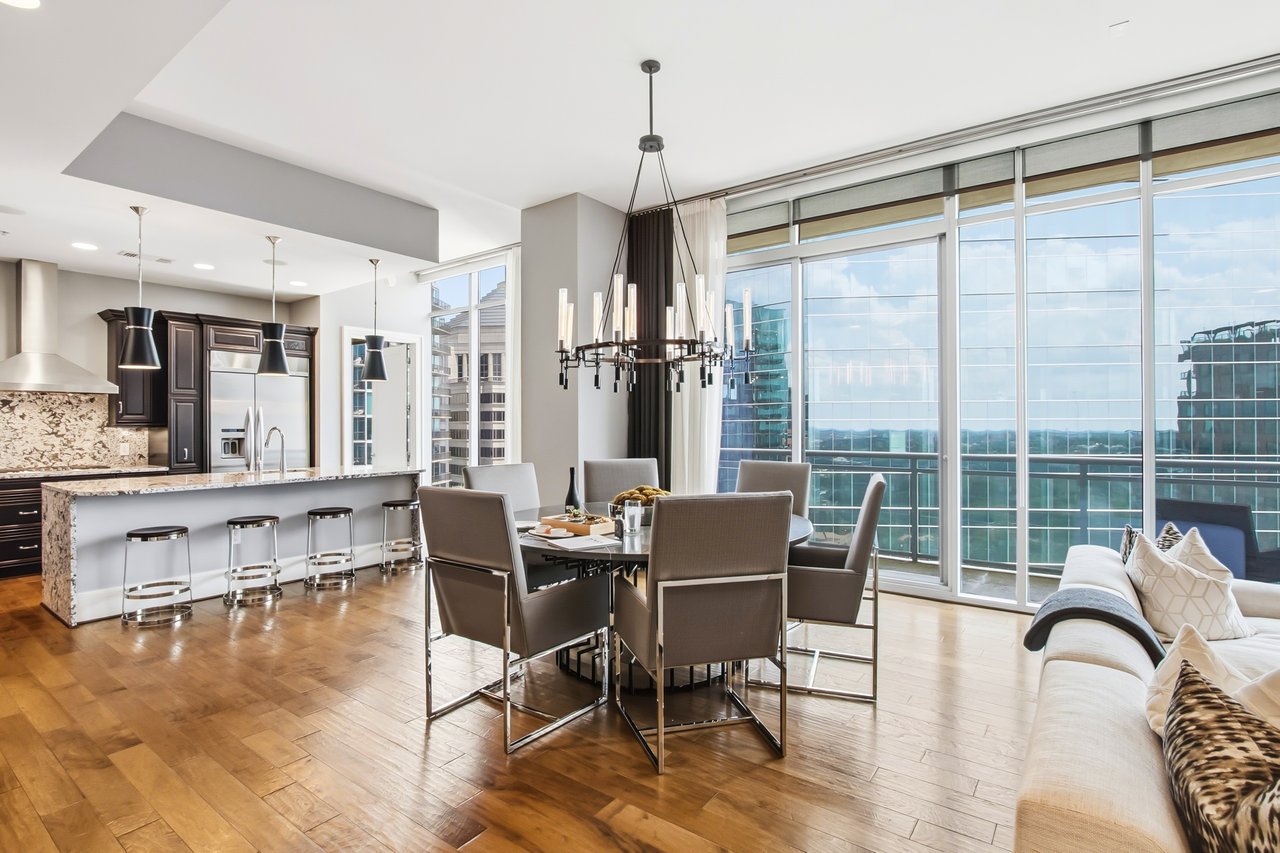
If convenience is your top priority, look closely at mixed-use and multifamily areas near key activity centers. Perimeter Center districts are designed to support attached and multi-unit residences alongside commercial uses, and the city is also drafting design guidelines for six commercial and mixed-use focus areas: Greater City Springs, Central Perimeter, North End, Powers Ferry, Neighborhood Village, and Crossroads.
The city’s housing needs assessment shows how significant this trend has been. Between 2010 and 2019, 78% of added units were in multifamily rental buildings, and net new construction included 4,938 multifamily rental units. New development was concentrated in subareas near Perimeter Center and commuter corridors such as I-285, GA-400, and Roswell Road.
What the housing stock means for your move
Relocating buyers and renters often ask the same question: should I focus on older established housing or newer product? In Sandy Springs, the answer depends on what you value most. Older housing often means more established residential patterns, while newer housing is more likely to show up in attached, multifamily, and corridor-based development.
The city’s multifamily program also shows how large that segment has become. Sandy Springs reports 96 apartment complexes, with two more under construction, and the city requires annual inspections of multifamily rental units beginning in 2024. If you are considering renting before buying, that makes multifamily housing a substantial and formally managed part of the local market.
Recent pricing snapshots also show why you need a broad view rather than a single headline number. Redfin reported a March 2026 median sale price of $570,000, Zillow placed the average home value at $694,123 as of April 30, 2026, and Realtor.com described the market as balanced in March 2026. Census notes that estimates from different sources and time periods are not directly comparable, so it is best to treat these figures as range-setting signals rather than exact one-to-one benchmarks.
Put commute access at the center
In Sandy Springs, your daily mobility may matter more than the city label alone. Proximity to GA-400, I-285, Roswell Road, and MARTA can shape your routine, your housing options, and how connected your home feels to the rest of metro Atlanta. For many relocators, this should be one of the first filters in the search.
The city reports more than 315 miles of roadways and ongoing work on intersection improvements, traffic-fiber infrastructure, and coordination with GDOT on regional transportation projects. That tells you transportation planning is an active part of local city operations. It also reinforces why corridor access is such a practical part of choosing where to live.
MARTA and rail access
MARTA is an important part of the commute picture for many households. North Springs Station is on the Red Line and is located between Peachtree Dunwoody Road and Georgia 400. Its station profile cites rail access of about 11 minutes to Buckhead, 23 minutes to Midtown, 27 minutes to Downtown, and 43 minutes to Hartsfield-Jackson Atlanta International Airport.
MARTA Route 87 also serves the Roswell Road and Sandy Springs corridor. If you expect to use transit regularly, homes with easier access to these transit connections may deserve extra attention. Even if you drive most days, being near a station can still add flexibility.
Trails and future mobility
If walkability and outdoor connection matter to you, keep an eye on the Path 400 Multiuse Trail Extension. The project will extend the existing trail from Loridans Drive north to the GA 400 and I-285 interchange. Construction is underway on Segments 1 and 3, completion is expected in early 2028, and Segment 2 is expected to start in summer 2026.
For relocators, projects like this can help you think beyond the current map. Trail access, road improvements, and mixed-use planning can all affect how an area functions over time. That is especially useful when comparing homes that seem similar on paper.
Everyday lifestyle in Sandy Springs
Housing is only part of a relocation decision. You also want to know how the city feels day to day, where activity is concentrated, and what kind of recreation is easy to reach. In Sandy Springs, City Springs and the park system are two major pieces of that lifestyle picture.
City Springs is a 14-acre mixed-use downtown district that opened in 2018. It includes City Hall, a performing arts center, a conference center, the City Green, restaurants, fitness studios, and residential apartments, along with year-round programming. For many people relocating to Sandy Springs, it is one of the clearest examples of a central amenity hub.
The recreation system adds another layer. The city reports more than 950 acres of green space, 28 developed parks, seven undeveloped park properties, and trails along 22 miles of Chattahoochee River shoreline. Sandy Springs also offers year-round sports, fitness, leisure programs, and community events.
Practical checks before you choose a home
Relocation moves are easier when you verify the right details early. In Sandy Springs, a few checks can help you narrow your search with more confidence. These are especially important if you are trying to compare homes across very different parts of the city.
Verify school zones by address
If school assignments matter to your move, do not rely on a neighborhood name alone. Fulton County Schools states that attendance zones are assigned by residential address and provides mapping tools to identify zoned elementary, middle, and high schools. The board also directed staff in September 2024 to review closure, consolidation, and redistricting in Sandy Springs and South Fulton.
That means the best approach is simple: verify by exact address before you make a decision. This step can help you avoid assumptions and keep your search grounded in current information.
Match the home type to your routine
Before you narrow your options, ask yourself a few practical questions:
- Do you want a detached home in an established residential setting?
- Would a townhome or attached home better fit your maintenance goals?
- Do you want mixed-use convenience near City Springs or Perimeter Center?
- How important is access to GA-400, I-285, Roswell Road, or MARTA?
- Are you open to older housing stock, or do you prefer newer construction patterns?
These questions sound basic, but they can quickly separate a broad search from a focused one. In a city with multiple housing forms and several key corridors, clarity matters.
A smart way to approach relocation
The most practical way to relocate to Sandy Springs is to stop thinking of it as one uniform market. Instead, think of it as a city with established detached neighborhoods, a large multifamily base, and concentrated mixed-use growth around City Springs and Perimeter Center. Once you understand those patterns, your search becomes more efficient.
If you are planning a move, a well-guided search can help you compare housing style, commute access, and day-to-day convenience with more precision. For tailored guidance on Sandy Springs and the broader North Atlanta market, connect with Engel & Völkers Atlanta.
FAQs
What types of homes are common in Sandy Springs?
- Sandy Springs includes detached single-family homes, townhomes, attached housing, apartments, and mixed-use residential options, with much of the recent growth concentrated in multifamily and attached product.
What should you verify before relocating to Sandy Springs?
- You should verify school attendance zones by exact address, review access to key commute corridors like GA-400 and I-285, and confirm whether a property is in a detached neighborhood, townhouse area, or mixed-use corridor.
What is the commute picture like in Sandy Springs?
- Sandy Springs is anchored by Georgia 400, I-285, and Roswell Road, and it also includes MARTA access through North Springs Station and the Route 87 Roswell Road corridor.
What is the housing market range in Sandy Springs?
- Recent reports vary by source, with a March 2026 median sale price of $570,000 reported by Redfin, an average home value of $694,123 reported by Zillow as of April 30, 2026, and Census reporting a median owner-occupied home value of $619,800.
What lifestyle amenities stand out in Sandy Springs?
- City Springs is a major mixed-use amenity hub, and the city also offers more than 950 acres of green space, 28 developed parks, community programs, and access to trails along 22 miles of Chattahoochee River shoreline.